


Criminology and Forensic Science Laboratory
The Criminology and Forensic Science Laboratory at the Faculty of Law and Administration enables practical training in several areas that are essential for contemporary forensic science and evidence procedures.
1. Detection, Securing, and Analysis of Digital Traces and Evidence
The detection and securing of digital traces from desktop computers, laptops, external drives, and USB devices are carried out using the PC-3000 hardware–software suite. The resulting digital images of data carriers are then analyzed using dedicated forensic programs — Magnet Axiom (licensed version) and Autopsy (free version with limited functionality).
The laboratory is equipped with 11 computers, allowing for relatively fast processing of operating system images, also within ready-made forensic scenarios.
2. Working with Artificial Intelligence
Within this innovative area, students explore the potential of artificial intelligence through both commercial and open-source models that support decision-making processes in fields such as evaluating expert opinions in digital forensics, preparing for expert witness examinations, or applying investigative interviewing methods (J. Mendez Principles, 2001).
Additionally, students can generate images based on verbal descriptions and modify existing photos, which helps them better understand contemporary cyber threats such as fake and deep fake content, as well as learn to identify and prove possible manipulations.
3. 3D Technologies in Forensic Science and Criminal Proceedings
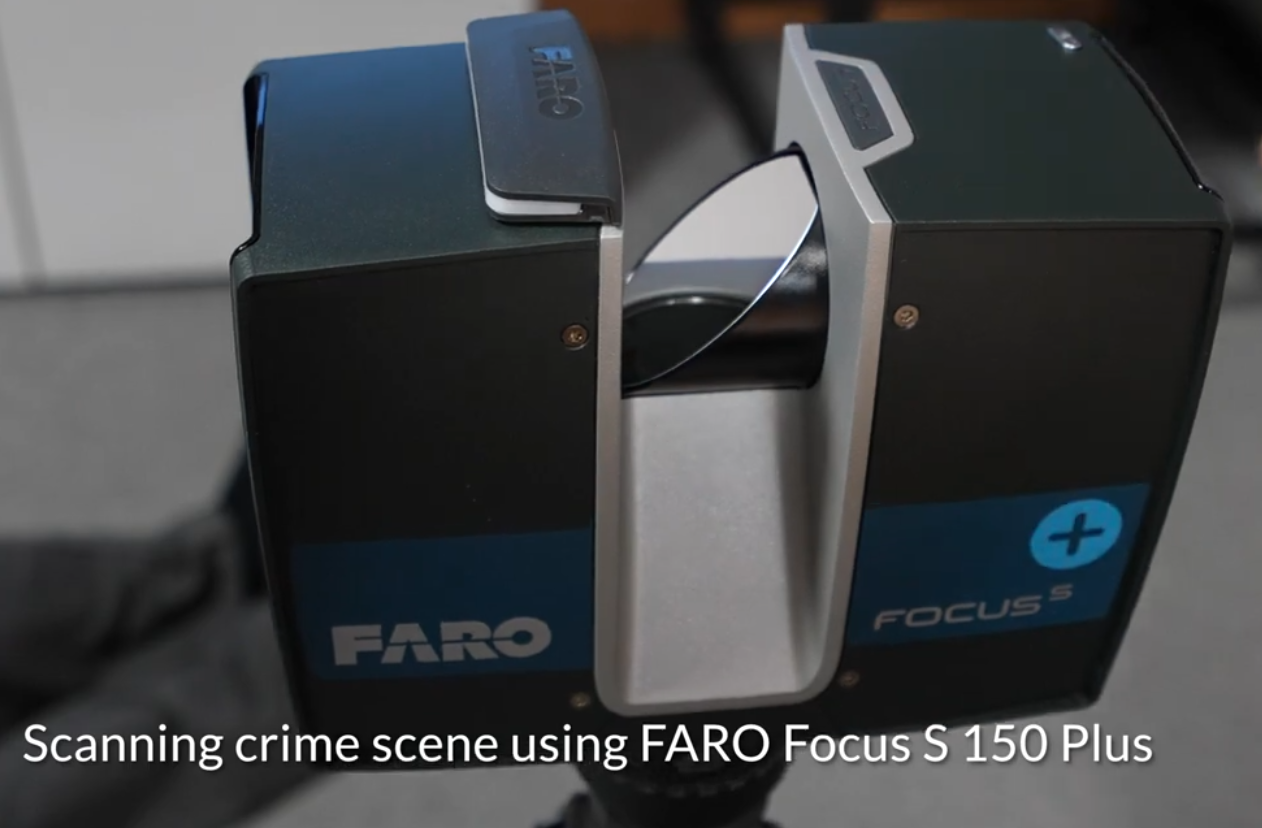
The laboratory is fully equipped for 3D scanning and processing of scenes — rooms, outdoor areas, and individual objects. It uses a FARO 3D scanner with an effective range of 150 meters, dedicated FARO SCENE software for processing point clouds, and Autodesk software (under a conditional license).
It also supports 3D event simulation — e.g., traffic accidents, water incidents, fires, and shootings — using FARO ZONE software.
As part of 3D modeling in forensic science classes, students of the Criminology program can use a Raise 3D printer to create models of forensic objects — firearm and knife replicas, room layouts, buildings, vehicles, imprints, etc.
Digital 3D models can also be created using photogrammetry, employing a SONY camera.
4. Visualization of Mechanoscopic, Traseological, Ballistic, and Biological Traces
For this purpose, the laboratory uses a Leica microscope equipped with a dedicated forensic mount, allowing image display on a computer screen (and via projector). This setup enables students to observe contact traces and micro-objects in real time.
5. Traditional Forensic Techniques
The laboratory possesses complete sets for detecting and analyzing traditional traces — fingerprint (dactyloscopic), foot and tire impression (traseological), and toolmark (mechanoscopic) evidence — as well as for identifying forgeries in official documents.
6. Analysis of Memory Traces, Including Instrumental Methods
The laboratory is equipped with a Lafayette polygraph — a “lie detector” from the world’s leading manufacturer in this field. Several staff members have completed international training in modern interrogation techniques and forensic psychology, enabling engaging and practical sessions in this area.
Laboratory Supervisor – Dr. habil. Denis Solodov, Assoc. Professor